Have you created a cosmetic product that you would like to see manufactured, branded, and promoted? Did you consider running some clinical trials on it? The clinical testing of your cosmetic products authenticates your product claims and builds the credibility your brand needs to succeed in today’s market.
Why Clinical Testing Matters
In an era of informed consumers, clinical testing provides:
- Credibility through real-life, scientifically validated results
- Consumer confidence in product safety and efficacy
- Regulatory compliance with advertising standards that require substantiation
- Competitive advantage over brands making unsubstantiated claims
Consumer skepticism toward cosmetic products is at an all-time high. Clinical testing provides the evidence that turns skeptics into loyal customers.
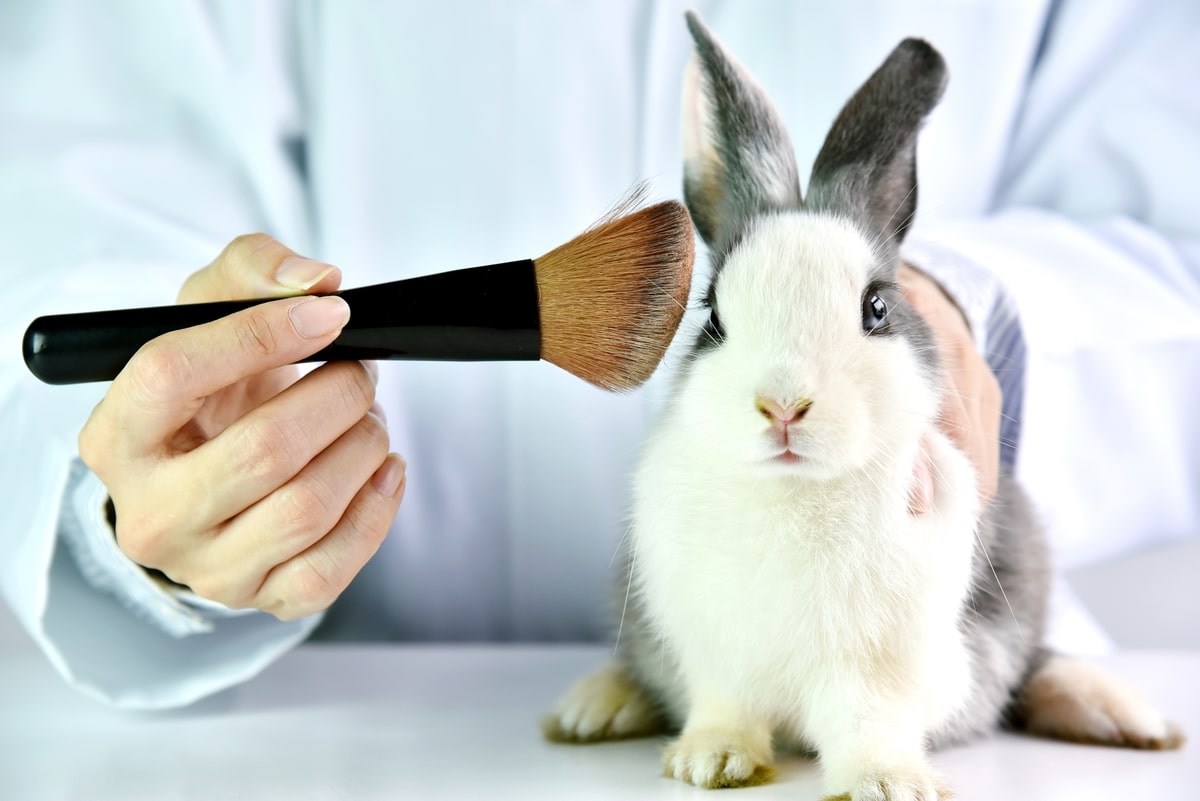
The Rise of Cruelty-Free Products
The demand for cruelty-free cosmetics has grown exponentially. Consumers increasingly choose brands that align with their ethical values. Understanding the regulatory landscape is essential:
- The European Union banned finished cosmetic product testing on animals in 2004, and ingredient testing in 2009
- Many other markets are following suit with similar regulations
- PETA certification requires companies to prohibit animal testing globally across their entire product range
- The cruelty-free label has become a significant purchasing factor for modern consumers
What Does “Dermatologically Tested” Mean?
A product labeled “dermatologically tested” means it has undergone clinical evaluation by dermatologists to assess its safety for human skin. This testing typically includes:
- Patch testing for skin irritation and sensitization
- Repeat insult patch testing (RIPT)
- Clinical use studies under dermatological supervision
- Assessment of product compatibility with different skin types
Types of Claims Requiring Scientific Support
Functional claims made on cosmetic products must be backed by scientific evidence:
- Anti-aging claims — wrinkle reduction, skin firming
- Moisturizing claims — hydration levels, barrier function
- Brightening claims — skin tone improvement, dark spot reduction
- Sensitivity claims — hypoallergenic, suitable for sensitive skin
- Performance claims — long-lasting, waterproof, SPF levels
Alternatives to Animal Testing
Modern science offers robust alternatives to animal testing:
- Cell culture studies — Testing on human cell lines in controlled laboratory environments
- Human tissue models — Reconstructed skin models that mimic human skin response
- Computer modeling — In-silico methods using predictive algorithms and databases
- Volunteer studies — Controlled clinical trials with human participants under medical supervision
- In-vitro testing — Laboratory-based tests that don’t require animal subjects
Arbro’s Clinical Testing Services
Arbro Pharmaceuticals offers comprehensive clinical testing methodologies from our network of laboratories in PAN India locations. Our services include:
- Toxicologist analysis for safety evaluation
- In-vitro testing for efficacy assessment
- Governmental compliance evaluation for regulatory adherence
- Ingredient analysis for quality and purity verification
- Prototype testing during product development
- Stability studies for shelf-life determination
- Manufacturing monitoring for quality consistency
- Complaint investigations throughout the product lifecycle
Our testing protocols cover the entire product journey — from initial development through manufacturing and post-market surveillance.
Need clinical testing for your cosmetic products? Contact Arbro Pharmaceuticals for comprehensive testing and certification services.
Written by
Arbro Pharmaceuticals
India's trusted contract pharmaceutical manufacturer — delivering WHO-GMP certified, high-quality medicines since 1985.