Every successful cosmetic product begins with a prototype. Before launching any product in the market, it goes through tests and certifications to ensure it is safe, effective, and meets consumer expectations. Skipping the prototype phase can lead to costly failures, product recalls, and damage to your brand reputation.
What Is a Cosmetic Product Prototype?
A prototype is an initial version of your cosmetic product created for testing and evaluation purposes. It represents your formulation concept in physical form, allowing you to assess everything from texture and scent to stability and efficacy before committing to full-scale production.
Significance of Product Prototypes
Preventing Harmful Impacts
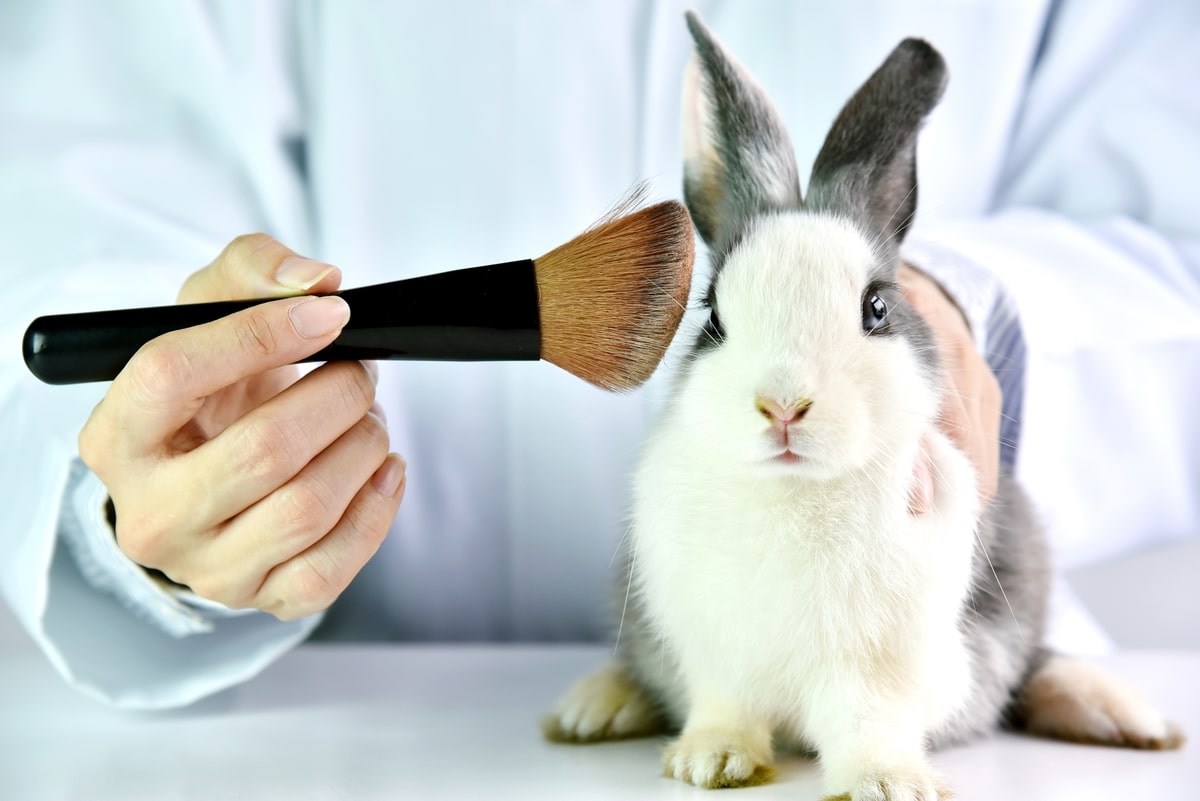
The primary purpose of prototyping is to ensure your product is safe for consumer use. Testing prototypes helps identify:
- Potential skin irritation or allergic reactions
- Ingredient interactions that may cause adverse effects
- Contamination risks during manufacturing
- Packaging compatibility issues
Cost Savings
Catching issues during the prototype phase is significantly cheaper than discovering them after mass production:
- Reformulation costs are minimal during development
- Packaging changes are easier before tooling is committed
- Marketing materials aren’t wasted on flawed products
- Recall costs and brand damage are avoided entirely
Consumer Validation
Prototypes allow you to gather real consumer feedback before investing in large-scale production:
- Focus group testing reveals product preferences
- Trial users provide honest feedback on texture, scent, and performance
- Market testing helps validate pricing and positioning
- Feedback loops enable iterative improvement
The Prototype Development Process
Step 1: Benchmarking
Study the market to understand what already exists:
- Analyze competitor products in your category
- Identify gaps and opportunities for differentiation
- Define quality benchmarks your product must meet
- Understand consumer expectations and pain points
Step 2: Formulation Development
Work with experienced formulators to create your initial recipe:
- Select ingredients based on your product claims
- Balance efficacy with sensory appeal
- Consider cost constraints and scalability
- Ensure regulatory compliance from the start
Step 3: Laboratory Testing
Subject your prototype to rigorous laboratory testing:
- Stability testing under various conditions
- Microbiological testing for safety
- Compatibility testing with packaging materials
- pH and viscosity measurements
- Active ingredient assay and performance testing
Step 4: Comparison Testing
Compare your prototype against benchmarked competitor products:
- Blind testing panels for sensory evaluation
- Performance comparisons on key claims
- Price-performance analysis
- Packaging and presentation comparison
Step 5: Iteration and Refinement
Based on testing results, refine your formulation:
- Adjust ingredient concentrations for optimal performance
- Fine-tune sensory attributes (texture, scent, color)
- Optimize preservation system
- Finalize packaging compatibility
Laboratory Conditions
Prototype development must occur under controlled laboratory conditions:
- Temperature-controlled environments for consistent formulation
- Clean room facilities for contamination prevention
- Calibrated equipment for accurate measurements
- Documented procedures for reproducibility
- Trained personnel for quality execution
Performance Assessment
Your prototype should be assessed across multiple dimensions:
Efficacy Testing
- Does the product deliver on its claims?
- How does it compare to existing products?
- What is the time-to-results for visible benefits?
Sensory Evaluation
- Texture and spreadability
- Fragrance appeal and longevity
- Visual appearance and color
- Absorption rate and after-feel
Stability Assessment
- Short-term stability (centrifuge, freeze-thaw)
- Accelerated stability (40°C/75% RH)
- Packaging compatibility
- Preservative efficacy
Safety Assessment
- Dermatological testing
- Patch testing for irritation
- Allergen screening
- Heavy metal analysis
Ready to develop your cosmetic product prototype? Contact Arbro Pharmaceuticals for formulation development, testing, and manufacturing services.
Written by
Arbro Pharmaceuticals
India's trusted contract pharmaceutical manufacturer — delivering WHO-GMP certified, high-quality medicines since 1985.